CURRENT LEADERSHIP
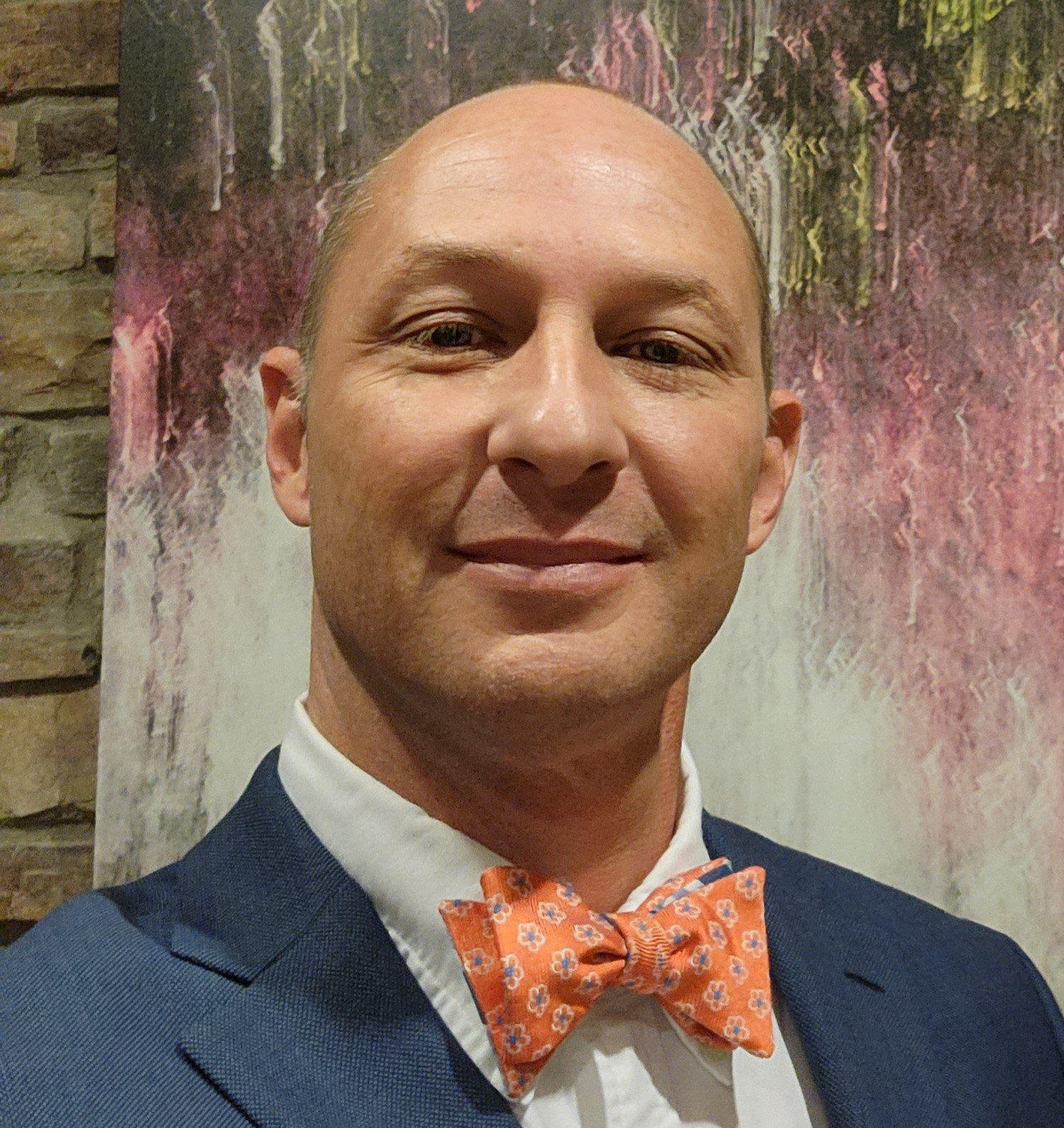
Michael Skalyo
Founder & Chief Architect
Engineering autonomy for ocean restoration.
Read founder profile →LFE is assembling the marine science, autonomous systems, engineering, data, regulatory, and field-operations capability required to turn a prelaunch thesis into measured work in the ocean.
Founder-led and prelaunch. The disciplines below describe the planned operating team and active collaboration needs. They do not represent filled roles, named hires, or a deployed field organization.
Founder & Chief Architect
Engineering autonomy for ocean restoration.
Read founder profile →Lionfish removal at scale is not a single-technology challenge. Ecology determines what responsible control looks like. Field operations reveal what survives contact with the ocean. Engineering makes repeatability possible. Data makes the outcome credible.
The initial team architecture is intentionally lean: clear owners, fractional specialists, research collaborators, and field partners working against named evidence milestones.
The first team’s job is to reduce uncertainty—scientific, technical, operational, regulatory, and commercial.
Lionfish behavior, reef ecology, removal protocols, dive and ROV campaigns, habitat safeguards, and field evidence quality.
Mission planning, station keeping, underwater localization, fault handling, supervised autonomy, and coordinated vehicle behavior.
Low-light detection, training data, non-target avoidance, confidence thresholds, model validation, and edge inference.
Hydrodynamics, pressure systems, propulsion, capture mechanisms, energy, thermal control, maintainability, and test rigs.
Mission logs, spatial data, sightings, confirmed captures, cold-chain records, ecological measures, and partner dashboards.
Permits, marine safety, agency coordination, research agreements, reef-community engagement, funding, and market pathways.
Engagements will be shaped around scope, funding, readiness, and a concrete deliverable. No role is represented as open employment until formally posted.
Autonomy pipelines, simulation, multi-agent coordination, low-light perception, and safety envelopes.
Behavior modeling, reef assessments, observation protocols, data labeling, and removal-impact design.
CAD, hydrodynamics, mechanisms, pressure housings, propulsion integration, energy, and prototyping.
Dive support, ROV handling, test planning, safety, recovery, field logistics, and mission documentation.
Every future team page will use a consistent structure so visitors can understand who is involved, what they own, and what evidence supports the work—without inflated titles or vague biographies.
Share the problem you can help solve, the time you can commit, and the artifact or field result you would aim to deliver.