A measurable mission against invasive lionfish.

Register early interest in a future $1,200 field seat, sponsor a $5,000 reef grid, or help build the operating and research capability behind the mission.

OUR PURPOSE

Building toward measurable reef restoration through precision, autonomy, and stewardship.

Lionfish control works locally, but the invasion spans depths and areas that episodic removal cannot continuously cover. LFE exists to test whether coordinated human operations and autonomous systems can extend that reach safely and measurably.
Our prelaunch plan combines robotics, AI, ocean science, responsible harvesting, and transparent field data. Phase Zero begins with observation, diver and ROV work, and requirements validation.

Precision Ecology

Proposed autonomous pods designed for selective lionfish detection and capture, with non-target avoidance as a core requirement.

Sustainable Stewardship

Responsible harvesting, local partnerships, and science-led conservation—subject to permits, validation, and partner protocols.

Open Innovation

LFE intends to share methods, field data, and lessons with research and conservation partners.

Our Approach

A smarter, staged path to test.

LFE’s baseline plan connects robotics, marine science, and community collaboration. Each capability remains a design target until validated through Phase Zero and controlled testing.
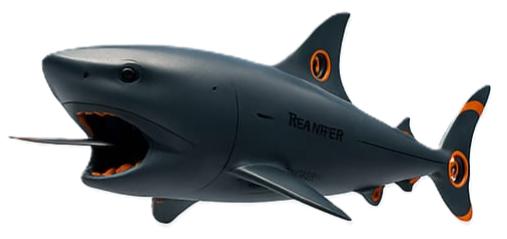
Shark-shaped Reaper marine vehicle concept rendering with a forward probe.

Pods Designed for Persistent Coverage

Proposed compact vehicles could extend observation and intervention beyond single dives. Endurance, navigation, reliability, and reef safety remain engineering requirements to test.
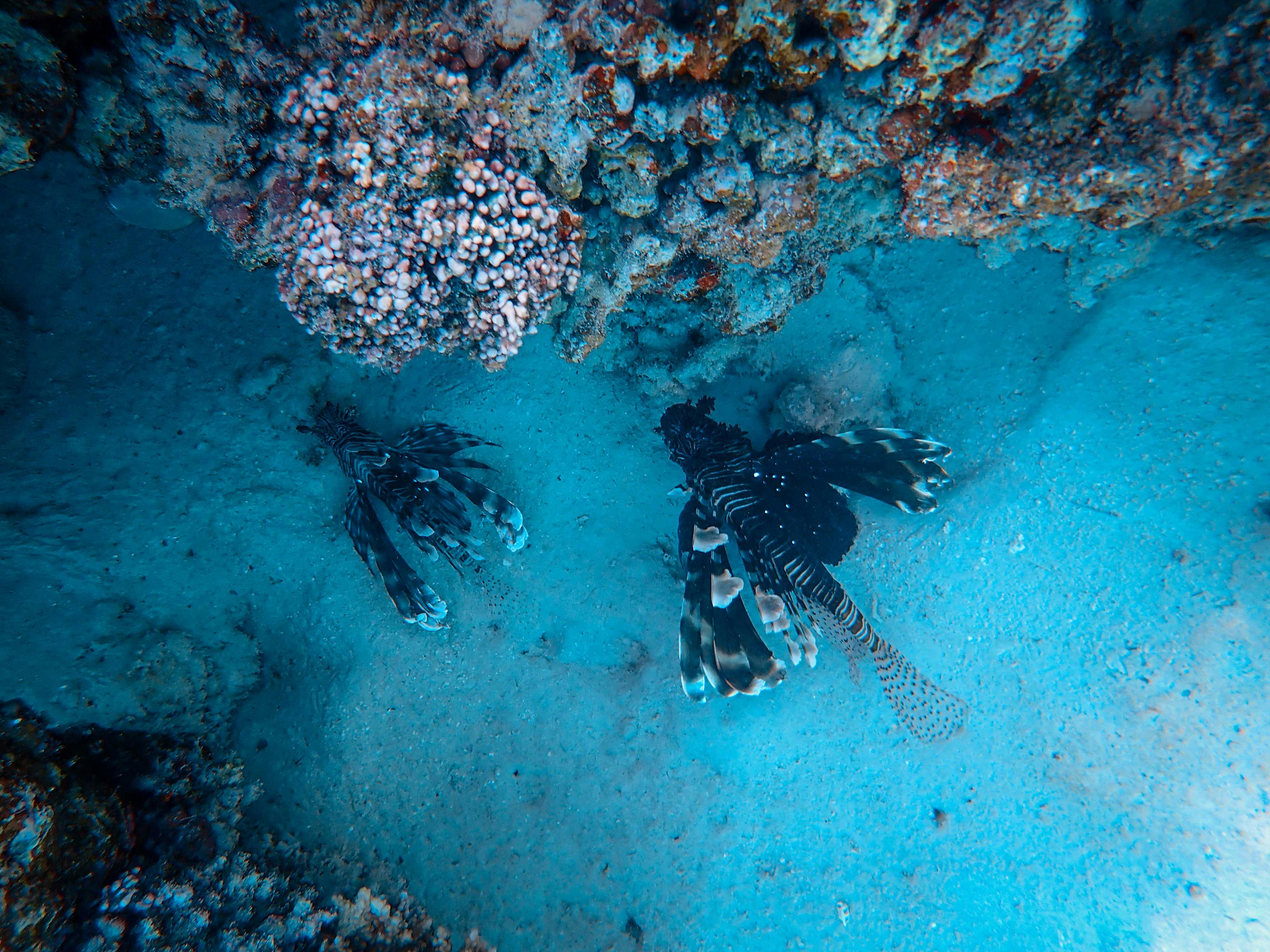
Two lionfish moving beneath a rocky coral reef ledge.

Selective by Design

The system is being specified around lionfish identification, confidence thresholds, non-target avoidance, and conservative mission rules. Selectivity must be demonstrated.
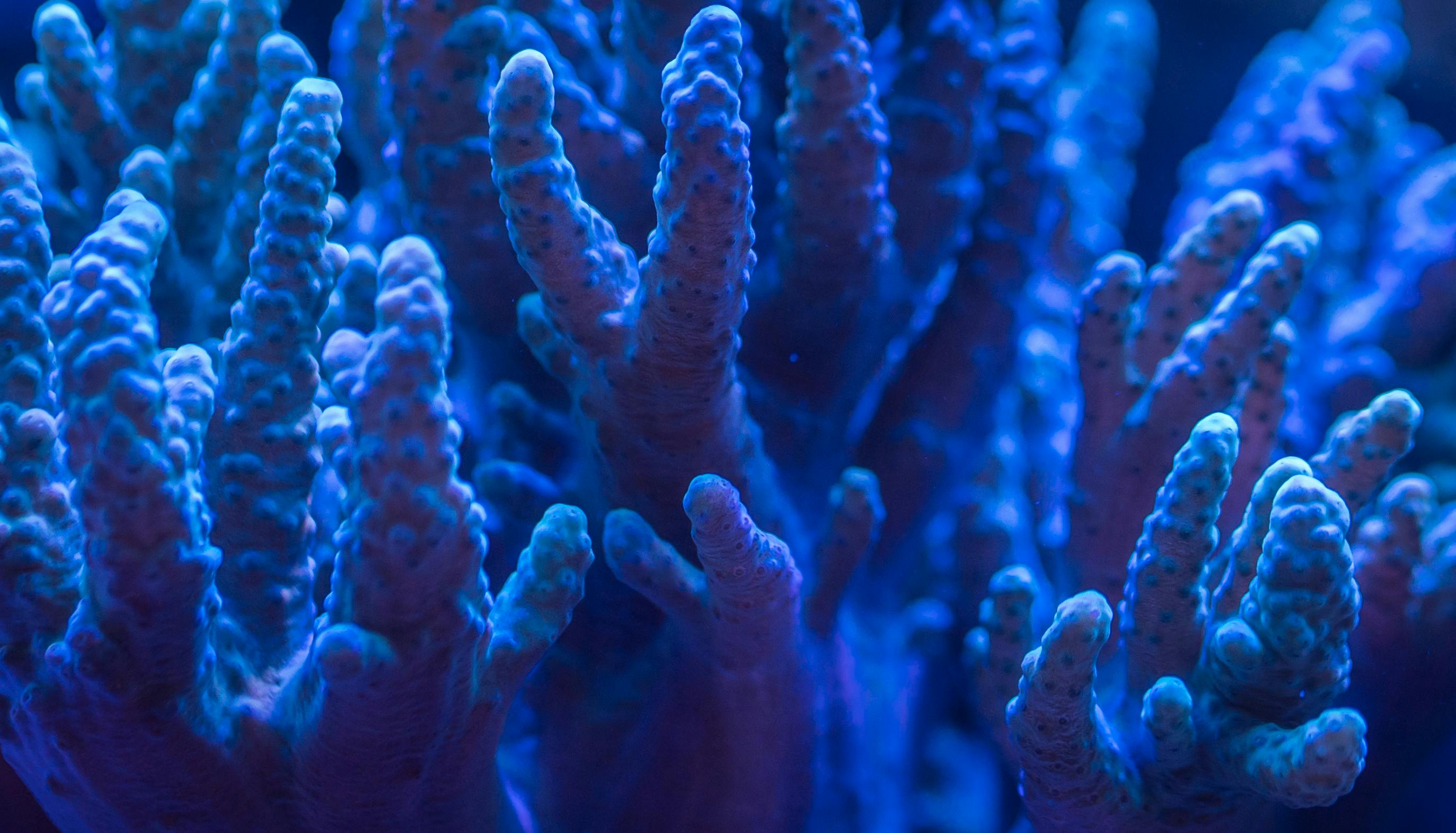
Close view of blue coral branches underwater.

Creating Space for Reef Recovery

Reducing lionfish pressure is one intervention within broader reef stewardship. Ecological change will be measured rather than assumed.
Recovery depends on habitat, baseline conditions, and sustained management. LFE will report what the data actually show.

Illuminated rack-mounted data storage servers and network cables.

Proof You Can See

Phase Zero will establish methods to record observations, removals, habitat context, and change over time. Progress and setbacks should both be visible.

Why This Matters

A System Designed to Measure Its Impact

The planned data model separates third-party occurrence records, LFE observations, confirmed captures, mission logs, and ecological measures.
Claims will follow evidence—not forecasts.

Recovery Must Be Measured

Response will be assessed against baseline conditions and documented over time. LFE will not promise immediate recovery.

Built for Traceable Operations

The proposed system will timestamp and geotag observations, captures, handoffs, and environmental context once field operations begin.

Accuracy Must Be Proven

Lionfish identification, non-target avoidance, and capture performance will be tested and reported. No production accuracy is claimed.

Proof Partners Can Inspect

Partners should be able to trace conclusions back to missions, methods, and records. The goal is transparent progress, including setbacks.

TAKE THE NEXT STEP

Help turn the prelaunch plan into field evidence.

Register interest, sponsor a defined unit of work, or bring a scoped partnership. LFE will follow up only when the pathway is responsible and ready.

Start a conversation