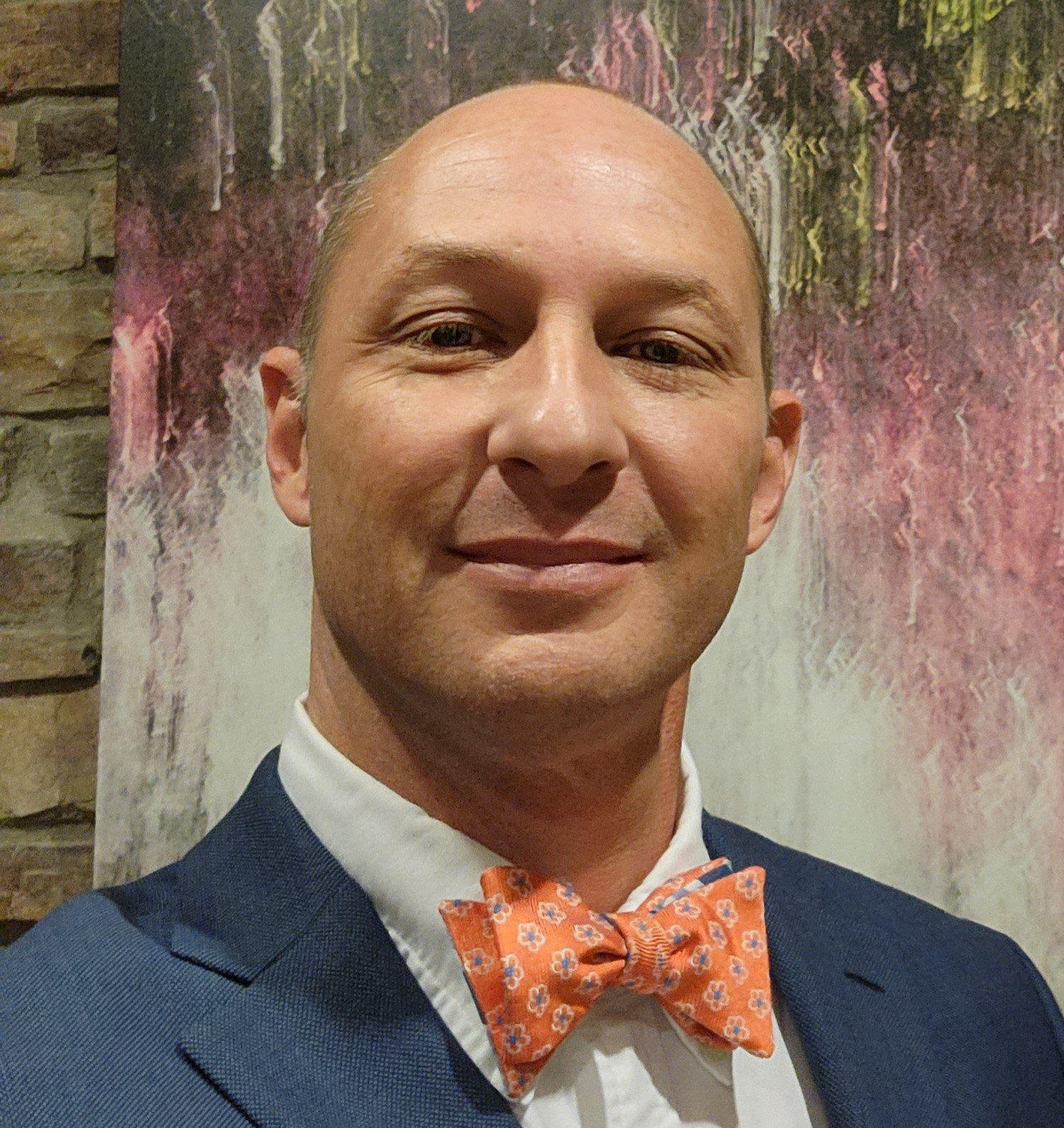
FOUNDER & CHIEF ARCHITECT
Michael Skalyo
Engineering autonomy for ocean restoration.
We Hunt What Harms. Reef to Relief.
Use the LFE inquiry formMichael Skalyo is building The Lionfish Experiment around a testable thesis: invasive lionfish control can become more continuous, selective, measurable, and useful to reef communities when field science and autonomous systems are designed as one operation.
LFE is a founder-led, prelaunch venture. The autonomous capture system, operating vessel, shoreside property, commercial harvest program, and performance outcomes are proposed or representative—not operational claims.
Engineering autonomy for ocean restoration.
We Hunt What Harms. Reef to Relief.
Use the LFE inquiry formThe Lionfish Experiment frames lionfish as a multi-domain systems problem spanning ecology, marine operations, autonomy, perception, control, cold-chain handling, and verifiable impact.
Michael’s present work is to assemble the technical requirements, operating concept, Phase Zero data campaign, regulatory path, partnership model, and interdisciplinary team needed to test that thesis responsibly.
“The job now is not to declare success. It is to design the experiment, expose the assumptions, and earn the evidence.”
Begin with diver and ROV data, real operating constraints, and testable requirements before increasing autonomy.
Design mechanical removal, navigation, and mission safeguards around non-target avoidance and habitat protection.
Separate targets, models, and representative assets from demonstrated performance and acquired capabilities.
Build toward traceable mission, detection, capture, environmental, and cold-chain records that partners can inspect.
Diver and ROV observations, habitat context, sightings, removals, and operating constraints to ground the system.
Hydrodynamics, autonomy, perception, navigation, containment, safety envelopes, and test plans for a proposed AUV platform.
A clean separation between third-party occurrence data, LFE observations, confirmed captures, mission logs, and ecological outcomes.
Marine science, robotics, naval engineering, operations, agencies, universities, funders, seafood buyers, and reef communities.
Timing is directional and subject to validation, funding, permits, partner readiness, and engineering results.
Phase Zero data campaigns, Gen-1 prototypes, requirements validation, and technology-partner mapping.
Supervised autonomy trials, mesh coordination, controlled field tests, and first partner-facing impact views.
Only after evidence: coordinated operations, measured biomass reduction, operational repeatability, and verified outcomes.
For technical collaboration, field partnerships, research, capital, or mission-aligned introductions, contact the founder directly.